


Backlink Strategies: 15 Proven Ways to Boost Your SEO
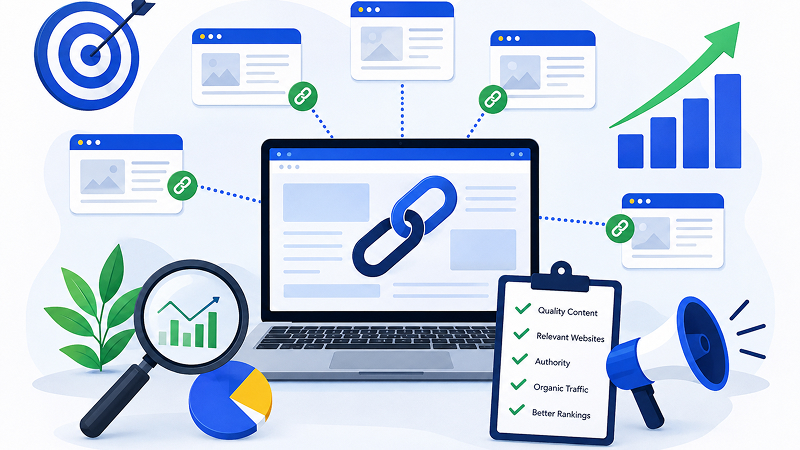
If you want your website to rank higher on Google, backlinks should be an essential part of your SEO strategy. While search engines evaluate hundreds of ranking factors, backlinks remain one of the strongest signals of a website’s authority and trustworthiness.
However, not all backlinks are valuable. A single backlink from a trusted, relevant website can have a greater impact than dozens of links from low-quality sources. The goal isn’t to collect as many links as possible—it’s to earn high-quality backlinks that genuinely strengthen your website’s credibility.
In this guide, you’ll discover 15 proven backlink strategies that can help improve your search rankings, increase organic traffic, and build long-term SEO success.
What Are Backlinks?
A backlink is a hyperlink from one website to another. When a reputable website links to your content, search engines view it as a vote of confidence that your content is useful and trustworthy.
Quality backlinks can help:
- Improve Google rankings
- Increase organic traffic
- Build domain authority
- Speed up content discovery
- Strengthen online credibility
Remember, Google values relevance and quality over the number of backlinks you have.
1. Publish Content Worth Linking To
The foundation of every successful backlink strategy is creating content people naturally want to reference.
Focus on publishing:
- Comprehensive guides
- Industry research
- Step-by-step tutorials
- Case studies
- Original statistics
- Free templates
- Useful checklists
Helpful, well-researched content attracts backlinks without aggressive outreach.
2. Create Original Research and Statistics
Unique data is one of the easiest ways to earn natural backlinks.
Consider publishing:
- Survey findings
- Customer research
- Industry reports
- Annual trend analyses
- Benchmark studies
Journalists, bloggers, and businesses often reference original statistics, creating valuable backlinks over time.
3. Write Guest Posts on Trusted Websites
Guest posting remains one of the most effective white hat link-building strategies.
Choose websites that:
- Are relevant to your niche
- Publish high-quality content
- Have an engaged audience
- Maintain strong authority
Focus on providing value instead of simply earning a backlink.
4. Find Broken Link Opportunities
Many websites unknowingly contain broken links that no longer work.
You can:
- Identify broken links on relevant websites.
- Create similar or improved content.
- Contact the website owner.
- Recommend replacing the broken link with your resource.
This strategy helps both website owners and your SEO.
5. Get Listed on Resource Pages
Many websites maintain curated lists of helpful resources.
If your content provides genuine value, politely ask to be included.
Examples include:
- Learning resources
- Beginner guides
- Industry tools
- Educational content
- Research libraries
6. Turn Brand Mentions Into Backlinks
Sometimes websites mention your business but don’t include a link.
Monitor brand mentions regularly and reach out with a friendly request asking them to link to your website. Since they’re already referencing your brand, many publishers are willing to update the page.
7. Design Shareable Infographics
Visual content is highly shareable and often earns backlinks from blogs and industry websites.
Good infographic topics include:
- SEO processes
- Marketing statistics
- Comparison charts
- Industry trends
- Step-by-step workflows
Always provide an attribution link so others can credit your website.
8. Build Relationships in Your Industry
Strong professional relationships naturally lead to backlink opportunities.
You can:
- Join online communities
- Attend webinars
- Collaborate on projects
- Interview industry experts
- Participate in podcasts
Networking often results in editorial backlinks that search engines value.
9. Recover Lost Backlinks
Websites sometimes lose backlinks because pages are deleted, moved, or updated.
Use backlink monitoring tools to identify lost links and:
- Restore missing pages
- Add 301 redirects
- Contact website owners when appropriate
Recovering existing backlinks is often easier than building new ones.
10. Create Free Tools
Useful tools naturally attract backlinks because they solve real problems.
Popular examples include:
- SEO audit tools
- ROI calculators
- Keyword generators
- Website speed checklists
- Image optimization tools
People are more likely to link to resources they regularly use.
11. Earn Links Through Expert Roundups
Many blogs publish articles featuring advice from industry professionals.
Share practical insights and real experiences whenever possible. These articles typically include a backlink to your website along with your contribution.
12. Use Digital PR
Digital PR helps you earn backlinks from authoritative news websites and publications.
You can contribute:
- Expert opinions
- Industry insights
- Original research
- Newsworthy updates
Editorial backlinks from trusted websites can significantly improve your website’s authority.
13. Improve Internal Linking
Although internal links aren’t backlinks, they support your overall SEO strategy by distributing authority throughout your website.
Effective internal linking helps:
- Search engines crawl your website
- Visitors discover related content
- Improve user experience
- Increase page authority
Every important page should be connected through relevant internal links.
14. Update Existing Content
Search engines prefer fresh, accurate content.
Regularly update:
- Statistics
- Screenshots
- Examples
- SEO recommendations
- Industry trends
Updated content often attracts new backlinks while maintaining existing rankings.
15. Focus on Quality Instead of Quantity
The best backlink profiles grow naturally over time.
Prioritize backlinks from websites that are:
- Relevant to your industry
- Trusted by users
- Authoritative
- Editorially earned
- Well-maintained
Avoid buying backlinks or participating in link schemes, as these practices violate Google’s guidelines and can harm your rankings.
Common Link Building Mistakes to Avoid
Even experienced marketers make mistakes that limit SEO performance.
Avoid these common issues:
- Buying backlinks
- Using automated link-building software
- Building links from irrelevant websites
- Overusing keyword-rich anchor text
- Ignoring backlink quality
- Publishing thin or duplicate content
- Chasing quantity over relevance
A natural backlink profile is always more sustainable.
Best Practices for Long-Term Backlink Success
To consistently earn quality backlinks:
- Publish helpful content regularly.
- Focus on solving real user problems.
- Build genuine relationships in your industry.
- Monitor your backlink profile.
- Keep evergreen content updated.
- Prioritize quality over volume.
Successful link building is a long-term investment, not a one-time task.
Final Thoughts
Building high-quality backlinks doesn’t happen overnight, but consistent effort pays off. By focusing on valuable content, ethical link-building strategies, and fostering meaningful industry relationships, you can enhance your website’s authority and improve its visibility in search results.
Rather than chasing shortcuts, invest in creating resources people genuinely want to reference. Over time, these backlink strategies can help you earn trust, increase organic traffic, and achieve sustainable SEO growth.